5 Min Read
Georgetown, Texas, is growing fast, and that growth creates real opportunity for people who want to build a lasting home there.
But it also raises the stakes. When you are deciding where to build a custom home, the lot itself is only part of the equation. The neighborhood, the growth pattern, the infrastructure, and the land constraints all shape whether your future home will hold value and support the lifestyle you want.
This guide covers how to find the best neighborhood for your custom home and the green flags to look for in the right area.
Use the links below to navigate to the sections you want to read:
- Why Looking at Growth Matters
- Assess the Neighborhood Like an Owner, Not a Shopper
- What to Look for in a Lot in Georgetown, TX
- Evaluate the Land Before You Fall for the View
- Confirm What the Property Allows
- How to Compare Lots Beyond the Price
- Match the Lot to the Home You Want to Build
- Bring Design and Construction Insight in Early
why looking at growth matters
A listing gives you acreage, price, and a few selling points, but it doesn't show you how the surrounding area is changing.
When you review land, study the broader path of development around the property. Look at road expansions, nearby retail, school growth, drainage work, utility improvements, and future residential phases. Remember, the strongest investment often comes from choosing an area with a clear trajectory, solid infrastructure, and enough stability to support a high-quality custom home over time.
Assess the Neighborhood Like an Owner, Not a Shopper
-1.jpg?width=500&height=250&name=1000x500%20featured%20image%20(1)-1.jpg) A neighborhood has to do more than look appealing in photos. It needs to support daily life, protect long-term value, and fit the kind of home you want to build.
A neighborhood has to do more than look appealing in photos. It needs to support daily life, protect long-term value, and fit the kind of home you want to build.
Drive the area more than once. Go during morning traffic, late afternoon, and the weekend. Notice how the streets feel, how homes are maintained, and how construction activity affects the area. Watch how the neighborhood connects to schools, restaurants, recreation, and medical care. Pay attention to noise, traffic flow, and the quality of nearby development.
That process matters just as much as the lot itself and is one of the most important parts of selecting the right neighborhood for your custom home. Buyers who focus only on curb appeal often miss the practical issues that shape everyday experience.
Neighborhood Factors Worth Reviewing
Be sure to pay attention to:
- Traffic flow during peak hours
- Condition and quality of nearby homes
- Pace of ongoing construction
- Access to daily conveniences
- Future commercial or residential development
- Noise from major roads or active job sites
- HOA standards and architectural controls
The best neighborhoods in Georgetown, TX, are not the same for every buyer. Some people want structure, predictability, and amenities. Others want more privacy, flexibility, and room to spread out. The right fit depends on the home you plan to build and the lifestyle you want to support.
What to look for in a lot in Georgetown, TX
Planned community lots and larger homesites offer very different advantages, so neither option is inherently better. Georgetown acreage lots often attract buyers who want privacy, mature trees, room for outdoor living, and flexibility for detached structures or long-term additions. That freedom usually comes with more complex factors to work out. Issues like septic feasibility, longer utility runs, grading, drainage, and access can all affect cost and timeline.
Lots inside newer communities often make utilities and access easier. They can also create a more consistent streetscape and a clearer sense of how the neighborhood will look once it is built out. At the same time, they tend to come with tighter setbacks, more design reviews, and less flexibility.
Here's a quick checklist for comparing the best lot options:
Table 1. Planned Community Lot vs. Acreage Homesite
| Lot Type | Strengths | Challenges |
|---|---|---|
| Planned community lot | Established infrastructure, easier utility access, more predictable surroundings | More restrictions, less privacy, tighter building envelope |
| Acreage homesite | Greater flexibility, more privacy, room for outdoor features and accessory buildings | More site work, more due diligence, greater utility and drainage complexity |
Evaluate the Land Before You Fall for the View
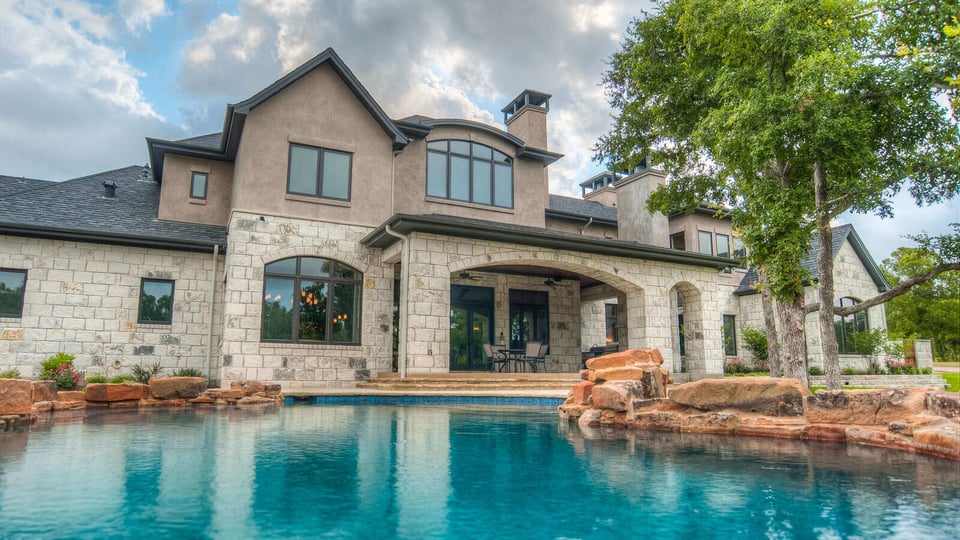
A lot can look perfect in pictures and still perform poorly once design and construction begin. Good land will support your home and what you want from it. But the wrong piece of land will delay your project and increase the cost of your custom home.
Site Conditions That Shape Buildability
Pay close attention to these factors when inspecting the land you want to build on:
- Topography that affects foundation design, driveway layout, and retaining walls
- Drainage patterns that influence water management and usable outdoor space
- Soil conditions that may require added engineering
- Utility access for water, power, gas, sewer, or septic
- Tree coverage that affects building placement and preservation compliance
- Easements and setbacks that reduce the actual buildable area
These issues define the design of your custom home and how it will function. Partnering with an experienced architect and builder can also help in finding the right land for your home.
Confirm What the Property Allows
A lot does not offer unlimited design freedom simply because it is available for sale. Restrictions shape the final home just as much as the land itself.
Review zoning, deed restrictions, HOA guidelines, utility requirements, and local development standards before moving forward. Confirm what the property allows for square footage, height, roof design, exterior materials, detached structures, pools, guest accommodations, and setbacks. On acreage, also verify what septic, well, drainage, or tree preservation requirements might apply.
Keep in mind that two lots with similar pricing and size can offer very different possibilities once restrictions come into play.
Restrictions to Verify Early
Make sure you've confirmed the following details about your future custom home:
- Minimum and maximum home size
- Front, side, and rear setbacks
- Height limits
- Exterior material requirements
- Roof material rules
- Pool and outdoor kitchen placement
- Detached garage, workshop, or guest house allowances
- Tree preservation requirements
- Septic or utility constraints
These are also some of the most important factors to look for before you buy the land. The answers you get can affect design freedom, site planning, and overall project cost.
How to compare lots beyond the price
A solid framework for comparing lots results in better decisions and protects your project from avoidable surprises. It helps you compare properties on the factors that actually shape design freedom, construction feasibility, and long-term value. Instead of relying on price, lot size, or first impressions, use a framework that tests how each property performs across the categories that matter most. Understanding how your land choice affects your overall budget and financing strategy can also help you make a more informed decision before purchasing a lot.
Use this checklist as a beginning framework:
Table 2. Criteria for Comparing Lots
| Category | What to Review |
|---|---|
| Neighborhood | Growth pattern, nearby construction, traffic, long-term character |
| Access | Road connectivity, driveway feasibility, commute routes |
| Utilities | Water, sewer, gas, electric, septic feasibility, internet |
| Site conditions | Grading, drainage, soil, tree constraints, usable build area |
| Restrictions | HOA rules, zoning, deed restrictions, easements, setbacks |
| Lifestyle fit | Privacy, views, outdoor living potential, room for future features |
| Financial impact | Site prep, utility extensions, retaining walls, drainage improvements |
Match the Lot to the Home You Want to Build
/Tuscan%20Villa/Expansive%20luxury%20home%20exterior%20with%20well-lit%20entrance%20and%20landscaping%20by%20J%20Bryant%20Boyd%20in%20Georgetown%2c%20TX.jpg?width=475&height=316&name=Expansive%20luxury%20home%20exterior%20with%20well-lit%20entrance%20and%20landscaping%20by%20J%20Bryant%20Boyd%20in%20Georgetown%2c%20TX.jpg)
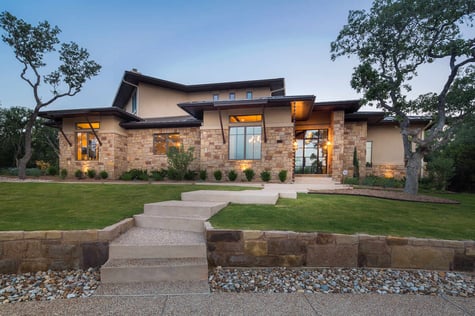
Too many buyers commit to land before they know what the house needs. That decision can box in the layout and limit what is possible for the home. A better approach is to choose the lot around the home, not the other way around.
Start by defining the home itself. Know the general scale, the kind of layout you want, and the features you do not want to lose. That might include a more private backyard, a pool, or a detached guest space. Once you have your priorities set, it becomes much easier to tell whether a lot will truly fit the home. The most successful custom homes are designed around the unique characteristics of the property rather than forcing a pre-designed floor plan onto the site.
Bring Design and Construction Insight in Early
Some properties sell the dream better than they support the house. That gap is where expensive mistakes get made. A design-build team helps close that gap. They look past the listing and can see the lot will actually be a good fit for the home you want to build without forcing you to make unnecessary compromises.
Look for a team local to the area, and that knows the landscape well. A good design-build team should have experience inspecting land in the Texas Hill Country and building custom homes that suit this region. Most importantly, make sure they have the right processes in place to communicate what they find and to offer you guidance along the way.
get the local expertise and guidance you need with J. Bryant Boyd.
The best custom homes do not come from guesswork. They come from making the right decisions at the start with a team that understands what you want. At J. Bryant Boyd, we guide clients through the foundational choices that shape the entire home, including choosing the homesite, the architectural direction, and the construction. Our design-build approach keeps every step on track so you get the home you want within the budget and timeline you expect.
Visit our Portfolio to see what our team can build for you.
Start building today
Connect with us to get your custom home started.
.jpg?width=352&name=1000x500%20featured%20image%20(4).jpg)